Know what to
scale, iterate or kill.
Knack reads every Meta ad you run, grades it on the job it was built to do, and says too early to call when the data is thin. Every verdict shows the numbers behind it.
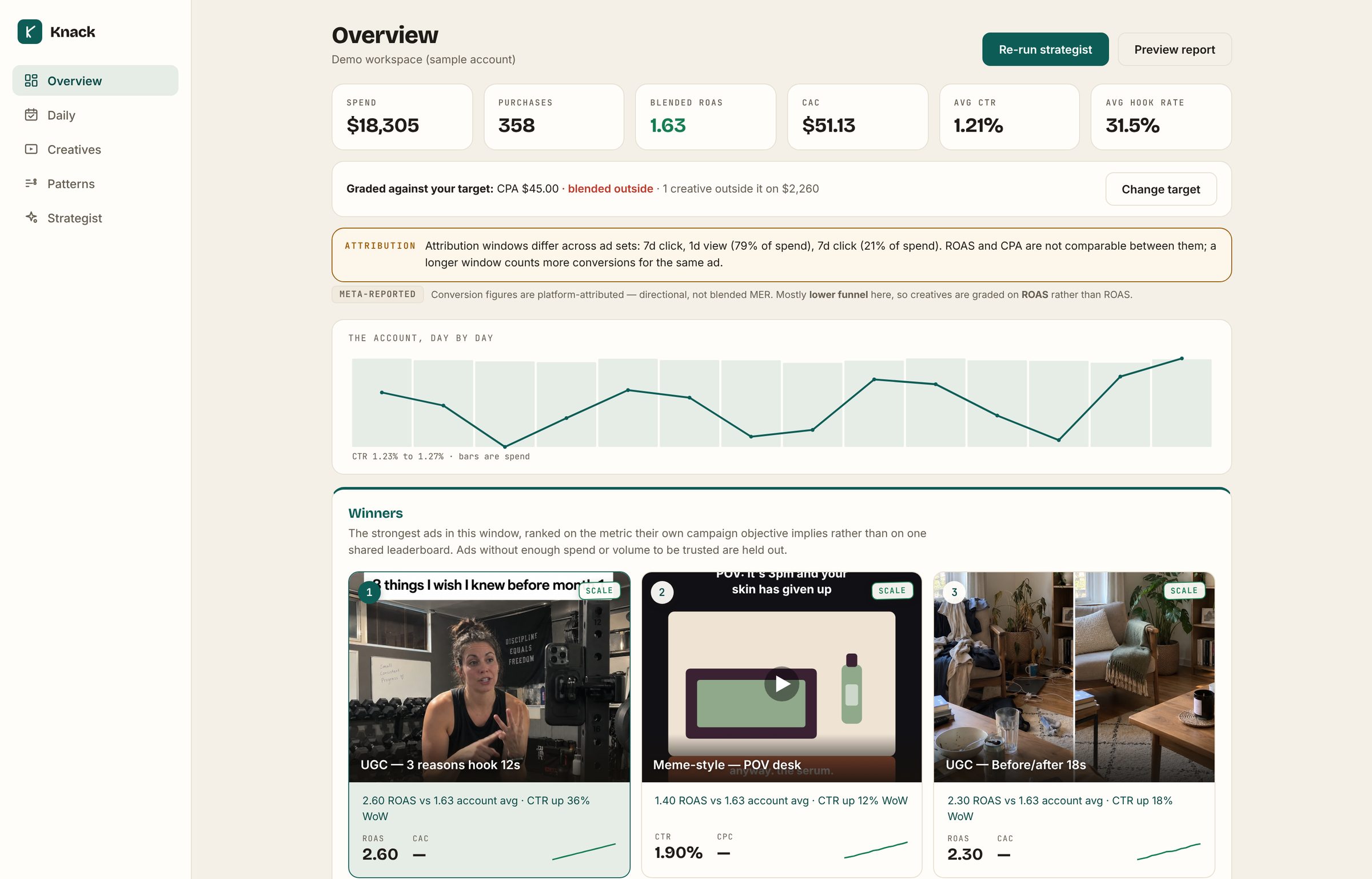
Knack reads the ad, whatever shape it arrives in.


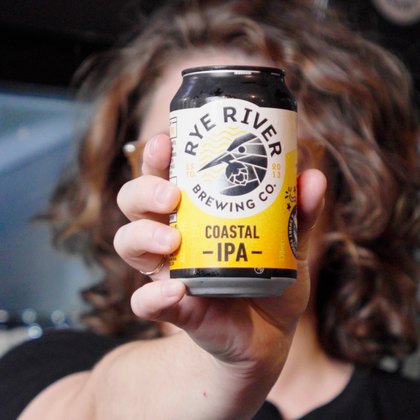


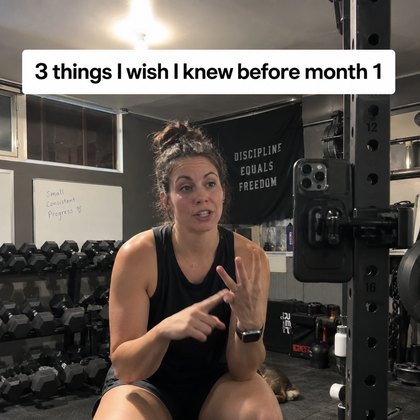



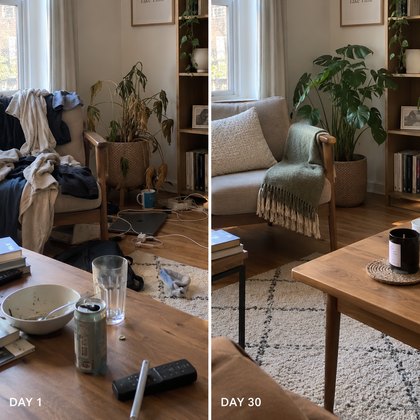


The winners, the moment you land.
No hunting through Ads Manager. Knack ranks every creative on the metric its ad set optimised for, rather than on one shared leaderboard that marks an awareness ad down for having no ROAS. The three carrying the account sit at the top of the page.
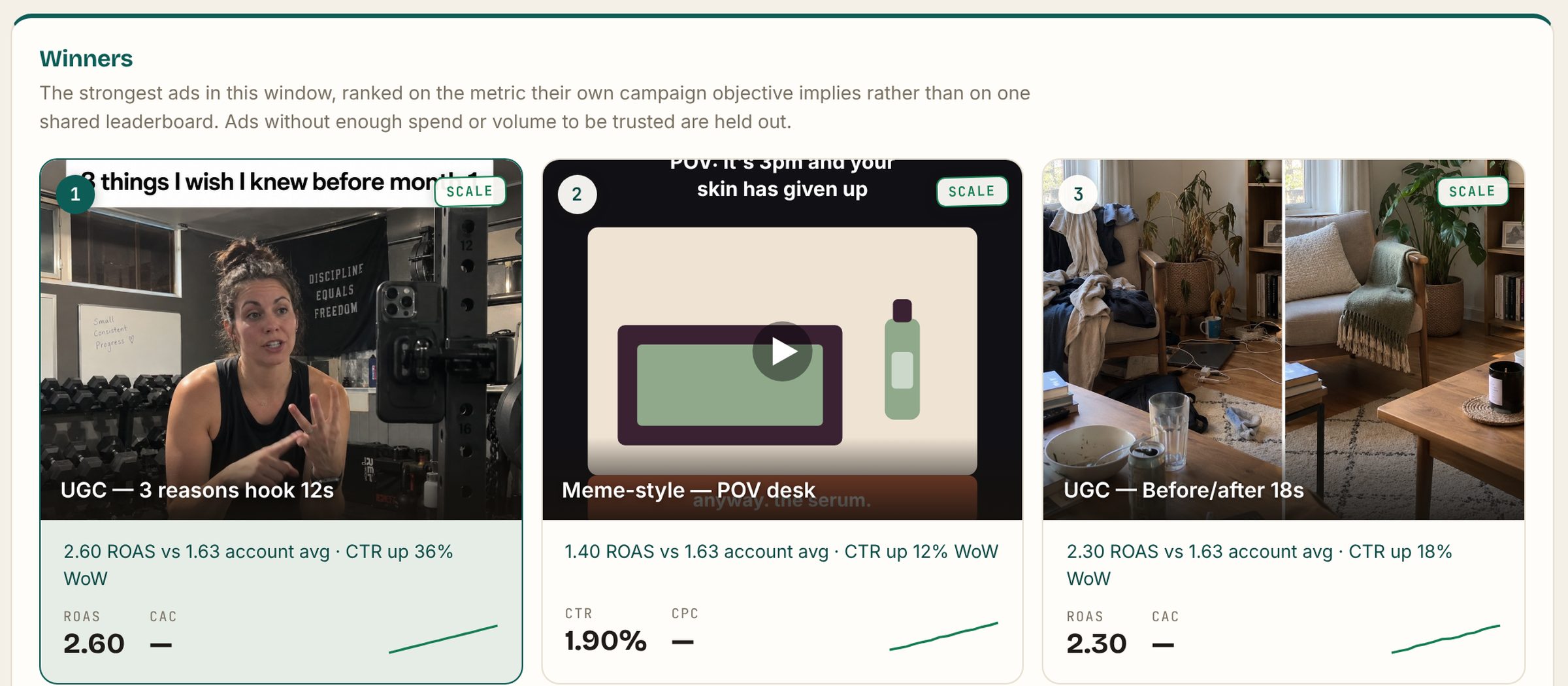
Ranked on the right metric
Graded on what its ad set optimised for: hook and hold for awareness, CTR for traffic, ROAS and CAC for sales. A creative is never marked down for lacking a number it was never asked to produce, and ROAS is never compared across attribution windows without saying so.
Fatigue read the way a buyer reads it
CPM rising while CTR holds is flagged first, because the auction charges more before the audience stops clicking. Then CTR against its own peak, and frequency bands that differ for prospecting and retargeting. Every flag shows its rule.
Flags you can check
Every flag is a specific, checkable condition rather than a score. Hover it and you get the rule and the numbers behind it.
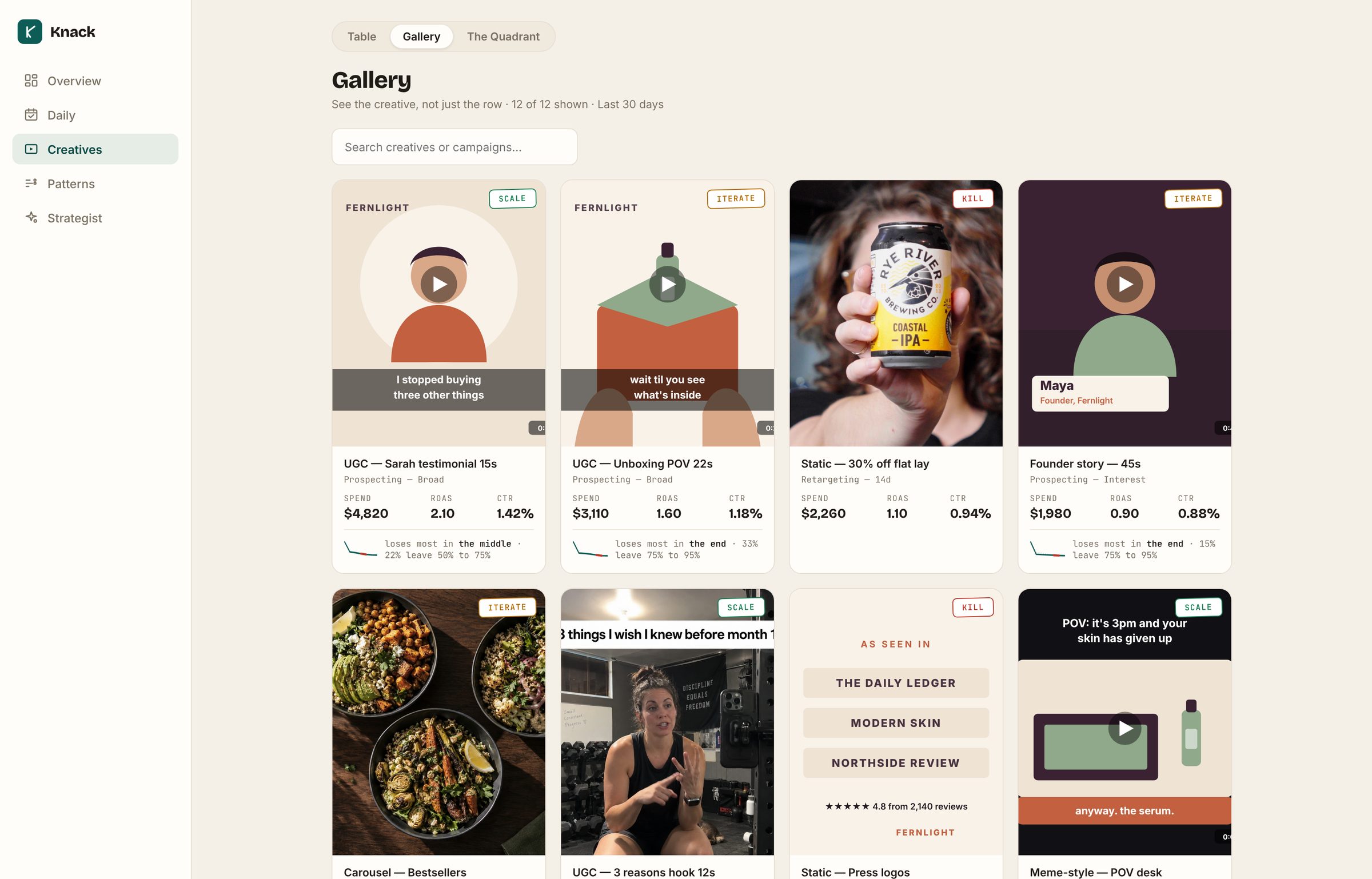
The ad, not the row in a spreadsheet.
A creative team cannot act on ad_id 120214…. Knack shows every ad as the ad, at a size you can actually judge: the image, the headline, the primary text, with its own numbers underneath it.
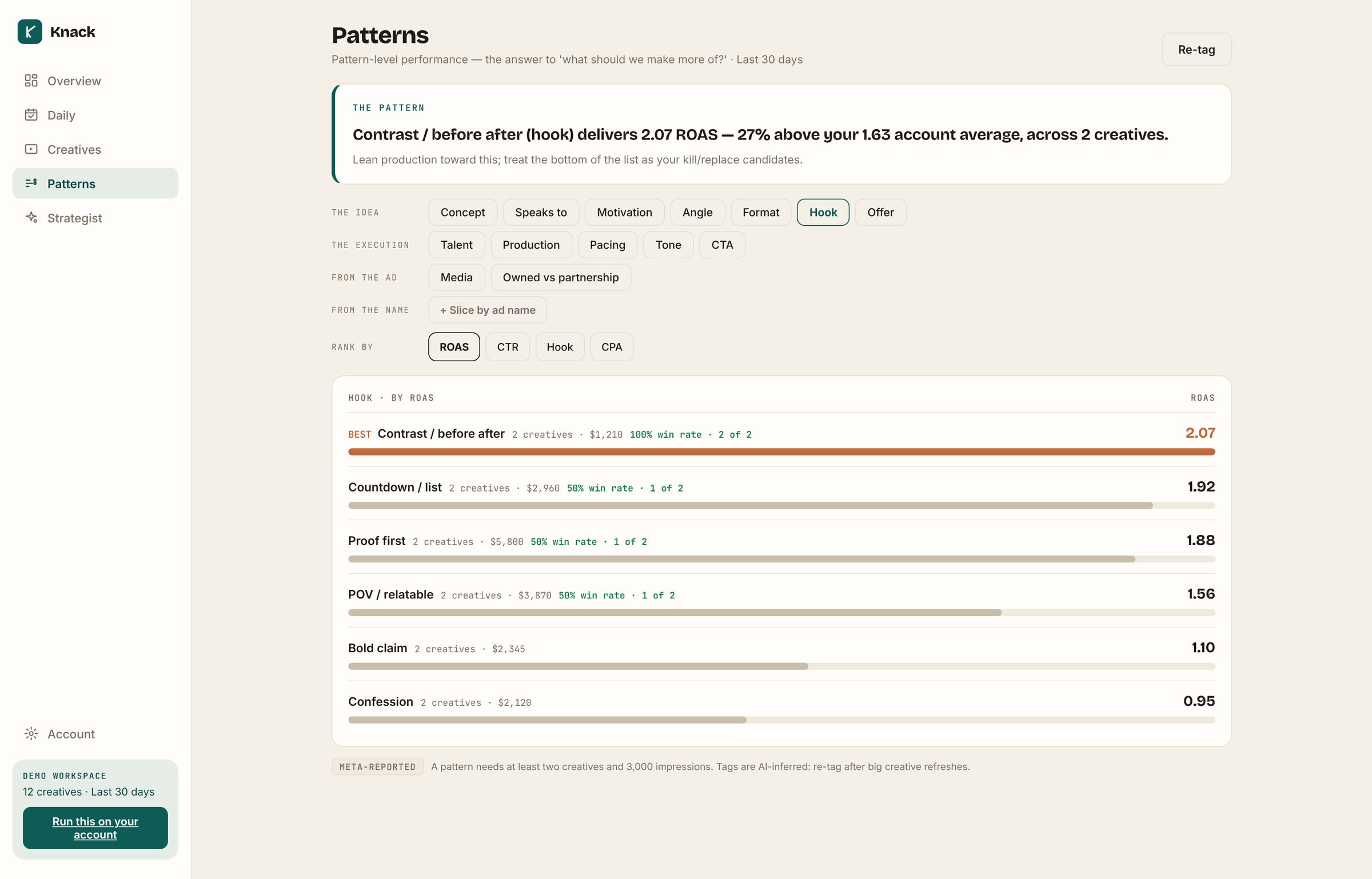
See the pattern, not just the ad.
Knack reads each creative and tags it across eleven dimensions in the words a strategist briefs in: who it speaks to, what motivates them, format, angle, hook, offer, talent, production, pacing, tone and call to action. Who, why and how combine into a concept, the unit a brief is written at. Then it aggregates performance by tag, spend-weighted, dropping any group too thin to trust. That is the difference between "this ad worked" and "founder-led hooks work in this account."
“So what do we make next?”
The question every creative review ends on. Knack answers it in writing, overnight, with the evidence attached.
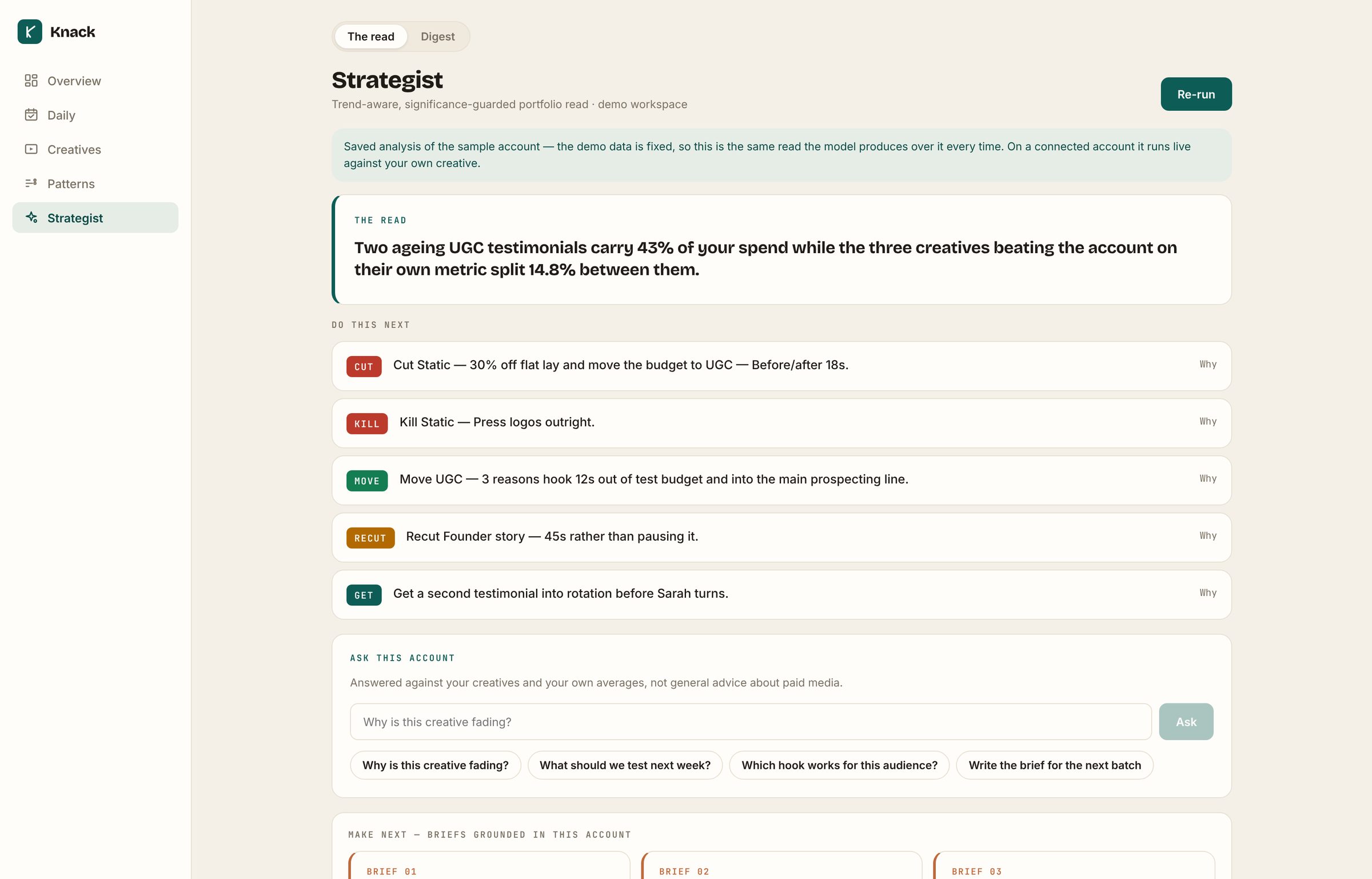
A verdict, with its reasons attached.
Not a score out of 100. Every creative gets one of three calls, each typed, each sized, and three honest answers to "is it working yet" that are not the same answer. Hover any flag in the product and the rule and the numbers behind it appear.
With a size, and a condition.
Raise the budget 20% every five days while frequency stays under 3 and the cost holds. Never 30% at once, never edit the ad while it scales.
With a cause, and what to keep.
A kill names why the ad died: delivery, quality, cost or fatigue. A fatigue kill keeps the idea and asks for a fresh execution. A delivery kill keeps the concept and changes the hook.
Three ways of not knowing.
Launched this week: learning, leave it alone. A week old and the auction will not spend on it: starved, which is a verdict. Neither, and still thin: too early to call, and Knack says so instead of guessing.
Set a target CPA or breakeven ROAS for the account and every lower funnel verdict becomes absolute: outside the target is never SCALE, however well it ranks. Without one, Knack says plainly that the read is a ranking, not a profitability call.
Why not just paste the numbers
into ChatGPT?
Because it has never seen your account. It doesn't know what a 1.2% CTR means for you, it can't see the creative, and it will confidently mark down an awareness ad for having no ROAS.
Graded against your own baseline
A 2.1 ROAS is excellent in one account and a problem in another. Knack compares every creative to the account it actually ran in, not to a benchmark from someone else's brand.
It looks at the creative
Knack reads the asset itself: what is in frame, how it opens, who is talking, what is being claimed. That is what makes a pattern findable rather than a hunch.
It knows what the ad was for
It reads what the ad set optimised for, who held the budget and which attribution window counted the conversions. Hook and hold for awareness, ROAS and CAC for sales. A null metric is read as not applicable, never as failure, and a 7 day ROAS is never compared to a 1 day one without saying so.
Knack is built on Claude. The difference is not the model, it is everything wrapped around it: your account's own baseline, the creative itself, and what each ad was asked to do.
A client report that answers the strategist's questions.
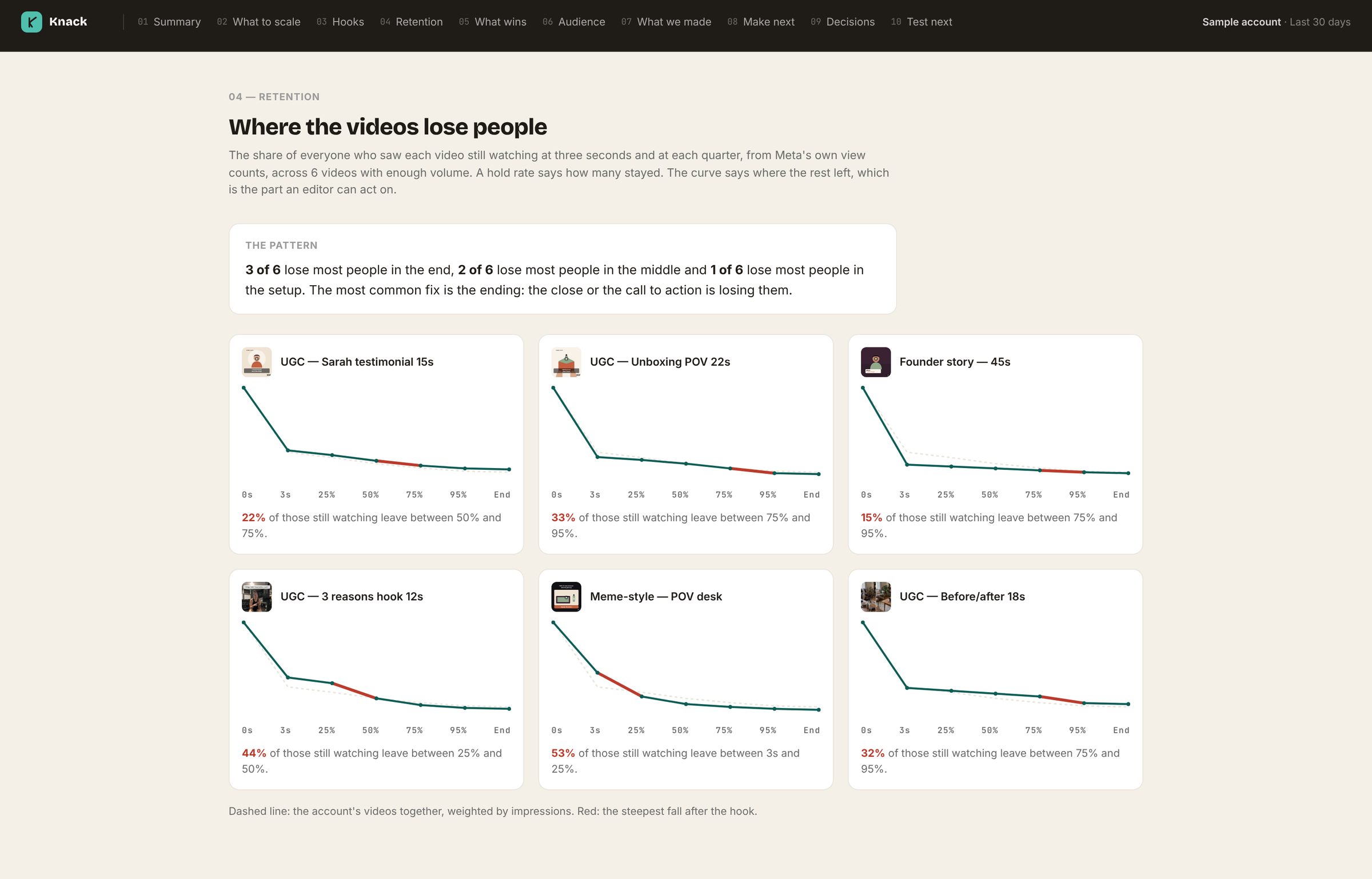
Win rate, the spend behind the winners, what is fatiguing, what is too early to call. The six openings that stop the scroll, with hold rate beside each. Where the videos lose people, with the stage to fix. What moved since the last window, and which kinds of creative win and how often. What to stop, what to fix and what to leave alone, each with its reason. Written, snapshotted, sent as one link.
Preview it, then send it.
The scorecard, the hooks, the win rates and the written read are assembled for you. See exactly what the client will see before anything is sent, then share one link.
Your client just clicks.
No login, no account, no export. They see the creative at a size they can judge and the numbers underneath it.
It stops being live.
The numbers are snapshotted the moment you share, so they still say what they said when you sent it. Links expire after 90 days and you can revoke one any time.
Built for both sides of the desk.
Media buyers and creative teams argue less when they're reading the same page.
Spend the next dollar with conviction.
See what to scale and what's quietly draining budget, with the reasoning attached rather than a number to take on trust.
Brief the next batch from evidence.
Know which angles, hooks and formats convert in this account, and hand the editor something better than "make more like that one."
Run the review in ten minutes.
A clear verdict per creative that a client grasps instantly, on a link you can send before the call instead of after it.
Read-only. Knack never creates, edits, pauses or changes spend on anything in your account.
Before you connect anything.
What does Knack need access to?
How is this different from Motion?
What happens when there is not enough data?
Does it work on an account I have just inherited?
Which platforms?
How do we get started?
Priced by the accounts you actually run.
Not by seats, not by spend, not by how many reports you open. Three plans: one brand, a few brands, or a book of clients.
See what your account really thinks.
We connect one ad account with you on the call, and Knack reads every creative in it overnight. Access is read only, so nothing in your account changes.